
Right at Home: Stopping homelessness before it starts
We all see the harms of Anchorage’s — and Alaska’s — homelessness crisis. People who lose a job, can’t make rent, and end up on the streets. Shelters and overflow spaces filling up every night. People sleeping rough in doorways, camps or vehicles, places no one should be living. Fingers and toes lost to frostbite. Sexual victimization of vulnerable people.
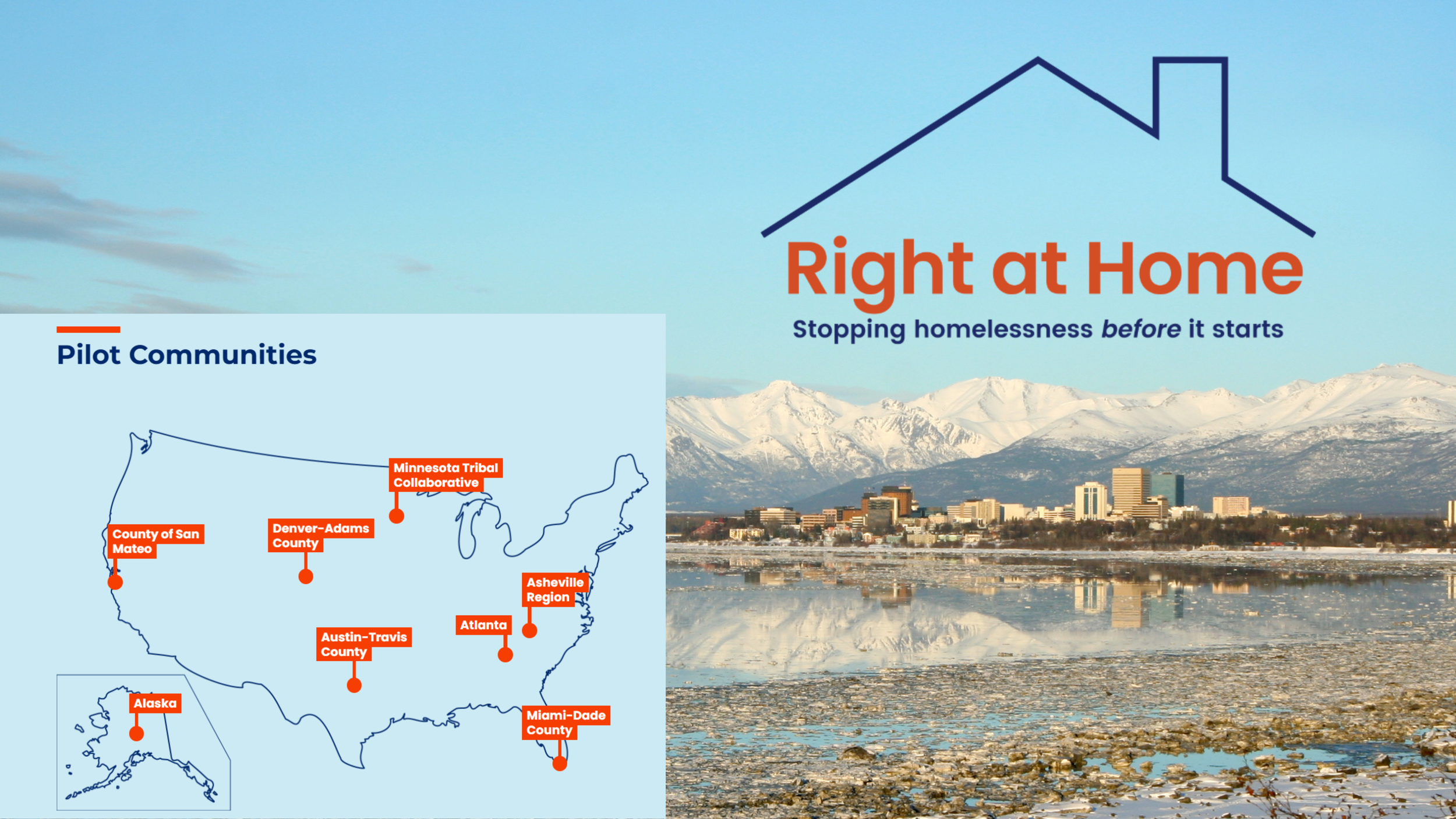
A new way will be tried in 10 parts of the country, including Alaska. The Anchorage Coalition to End Homelessness is partnering with the Alaska Coalition on Housing and Homelessness on a pilot project called Right at Home. The project aims to reduce the number of people entering homelessness and redefine how communities confront the challenge, to stop homelessness before it starts.
A trial run in Santa Clara County, in California’s Silicon Valley, found that rapid, flexible financial assistance and tailored supports can stop someone from losing their housing. For every $1 spent on emergency financial assistance, communities got back $2.47 in benefits, according to a study done through the University of Notre Dame’s Wilson Sheehan Lab for Economic Opportunities.
For each Right at Home project, a planning team will design a targeted homelessness prevention system serving 1,000-1,500 households over an estimated three years, depending on funding.
Housing insecurity goes beyond struggles with rent. A risk assessment will determine who should be prioritized for help. Among the possibilities for flexible, rapid supports are childcare, utility bills, car repairs, food or other basic needs, as well as rents, though specifics for Alaska haven’t yet been determined.
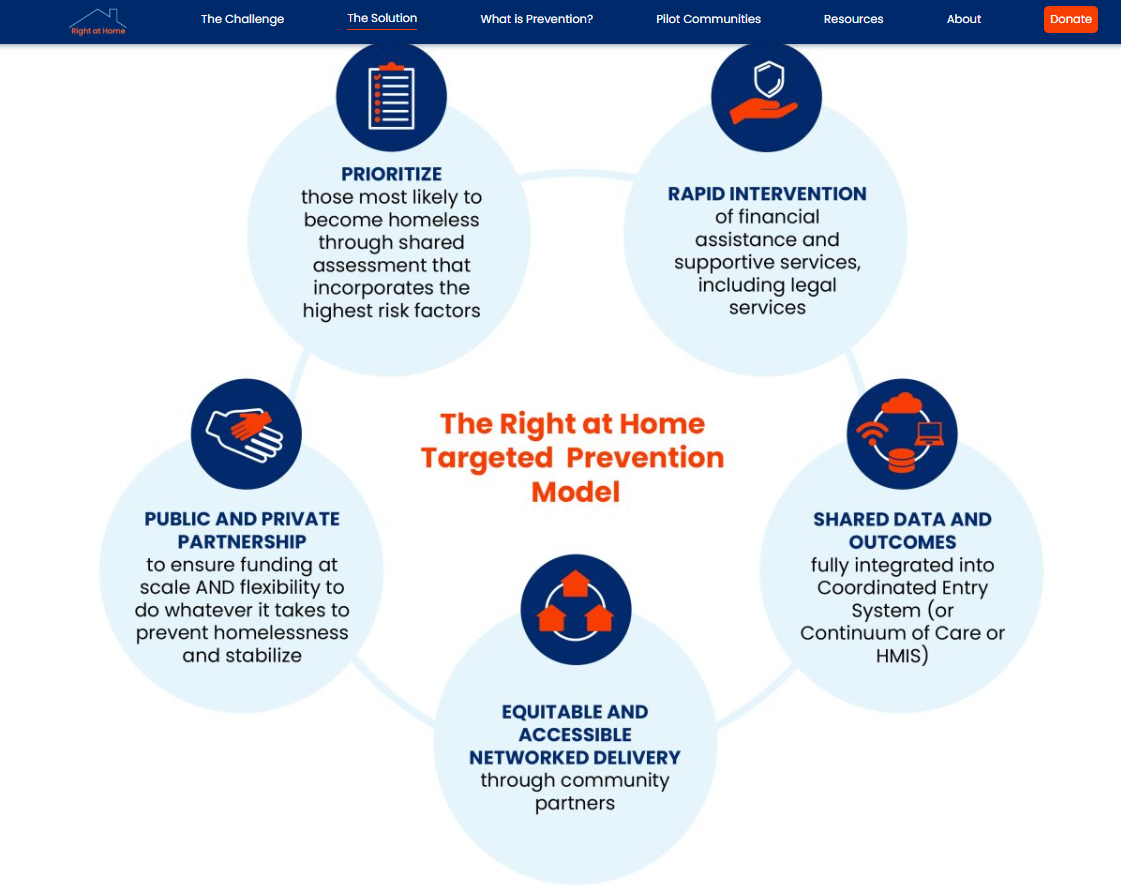
The Alaska team will work with Destination: Home to test the theory that homelessness prevention works and is scalable nationwide. The project will be built in phases. The coming year will focus on planning and design. A strong research element will include a randomized controlled trial to test what difference comprehensive prevention efforts make. Some people will be offered tailored, beefed-up supports and others will be offered the resources already available through Alaska 2-1-1.
The other pilot project communities that have been announced so far are: Miami-Dade County; Asheville (N.C.) region; Atlanta; Minnesota Tribal Collaborative; Denver-Adams County; Austin-Travis County; and San Mateo County (California).
The result could support a nationwide redesign of our homelessness response.